Shaun Donovan: FHA D4 Changes are Necessary
By Jerry Ascierto
Multifamily Executive
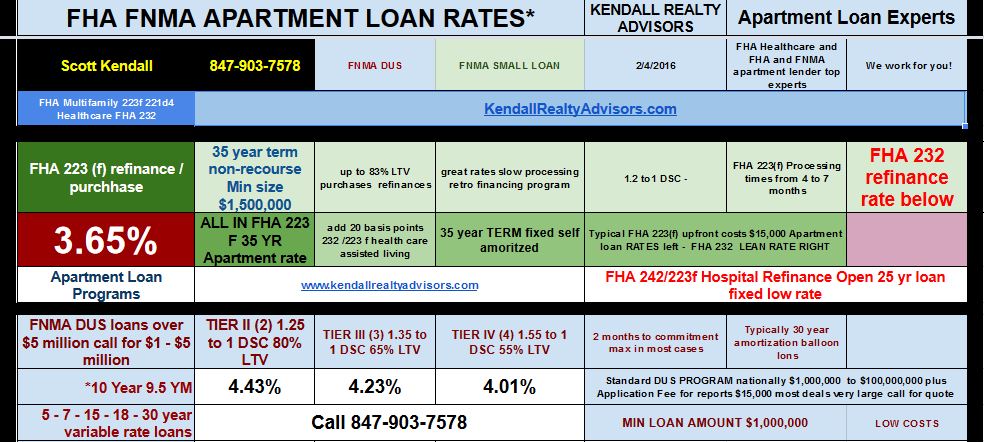
The only game in town for construction debt is tightening its underwriting of market-rate deals. And while borrowers aren’t happy about it, the U.S. Department of Housing and Urban Development (HUD) says it’s a matter of survival. The Federal Housing Administration (FHA) has proposed changes to its popular Sec. 221 (d)(4) program, raising the debt service coverage ratio (DSCR) to 1.20x for market-rate deals, and lowering the maximum loan-to-cost (LTC) ratio to about 83 percent.
HUD Secretary Shaun Donovan, who noted the “substantial vacancy rates” affecting the multifamily market, said the changes will be necessary to ensure the long-term viability of the program. “Broadly, this is ensuring that the FHA, in the long run, can be a consistent partner, and that we are strengthening the FHA’s balance sheet,” Donovan says. “We felt it was important from a risk management point of view to ensure that we are protecting the FHA fund and developing housing that is sustainable in the long-term.
” When the proposed changes were announced in early February, HUD representatives said the agency was concerned about the weaknesses in its existing portfolio of 221(d)(4) loans, and expected to rack up hundreds of millions of dollars in losses this year through that program alone. Another proposed change to the (d)(4) program would increase the minimum required amount of working capital funds. In the past, developers had to put up 2 percent of the total loan amount in a working capital escrow fund, but that figure will double to 4 percent under the proposed rules. The new rules would also increase the program’s required operating deficit reserves, from three months of debt service to four months.
Notably, the proposed changes don’t affect affordable housing deals much. Projects with subsidy levels of 95 percent or greater will still enjoy a 1.11x DSCR and 90 percent LTC, but low-income housing tax credit (LIHTC) deals would be bumped up to a minimum 1.15x and 87 percent LTC. The changes reflect HUD’s public mission to support affordable housing, and not the luxury high-rises that have increasingly sought FHA funds.
For FHA 223(f), FHA 221(d)(4). FNMA and Freddie Mac Loans go to:
www.fhaapartmentlender.com
For Full Article Click Here
FHA Apartment Commercial Mortgage - Loan to Cost Changes [Digg]
-
Shaun Donovan on why FHA is tightening construction loans for market rate
apartments.Posted by Kendall Realty Advisors
1 week ago